
Preparing Your Field Service Operations for Peak Season: A Scalable, Data-Driven Playbook
Preparing Your Field Service Operations for Peak Season: A Scalable, Data-Driven Playbook
Peak season can feel like a race against the clock, with every missed detail costing time and profit. If your technician scheduling and dispatch aren’t tight, you risk overtime spikes and lost jobs. This playbook shows how data-driven decisions and a scalable FSM platform give you full operations visibility—so your team delivers more jobs, reduces costs, and boosts field service profitability before demand surges. Learn more about scaling field service operations for growth and efficiency here.
Preparing for Peak Season
Peak season is when every second counts, and being prepared can make all the difference. Let’s dive into how you can get your operations ready for the rush.
Data-Driven Capacity Planning
When you know your capacity, you can make smarter decisions. Use data to figure out how many jobs your team can handle without burning out. Analyze past seasons to predict future demand and adjust your resources accordingly. A well-planned approach helps you avoid chaos when the workload increases.
Consider real-world examples. A company using TrackWorks reduced overtime by 20% last year by aligning capacity with demand. Knowing when and where to allocate resources can be your secret weapon. This proactive strategy helps ensure you have the right number of technicians available when things get busy.
Technician Scheduling Strategies
Efficient scheduling is the backbone of a successful peak season. Utilize scheduling tools to match the right technician with the right job. This helps ensure tasks are completed on time and reduces the chances of errors. Scheduling should be flexible to adapt to unexpected changes without disrupting your operations.
A smart scheduling system can help you manage technician availability and preferences. This reduces no-shows and increases job satisfaction. Think of it as a puzzle where each piece fits perfectly. The result? Smoother operations and happier employees.
Dispatch Optimization Techniques
Dispatching can either be a bottleneck or a breakthrough. The key is to make it flexible and responsive. Use a dispatch system that provides real-time updates and GPS tracking. This ensures your technicians reach their destinations quickly and efficiently, reducing travel time and fuel costs.
For example, using TrackWorks’ dispatch features, companies have cut travel time by 15%. This means more jobs completed and less downtime. When dispatch is optimized, your whole operation runs like a well-oiled machine, ready to tackle whatever peak season throws at it.
Boosting Operational Efficiency
Operational efficiency means doing more with less. It’s about streamlining processes and using technology to lighten the load. Let’s explore how you can enhance efficiency in your operations.
Automated Workflows and Time Tracking
Automation takes repetitive tasks off your plate. By automating workflows, you can free up time for more important activities. Tracking time accurately ensures that every minute is accounted for, preventing unnecessary overtime.
With TrackWorks, automated workflows reduce paperwork and manual input. This means your team can focus on what they do best — servicing customers. Automation creates a seamless environment where tasks flow effortlessly from one to the next.
Real-Time Analytics for Decision Making
Data is key to smart decision-making. Real-time analytics provide insights that help you adjust operations on the fly. This way, you’re not just reacting to problems but preventing them before they arise.
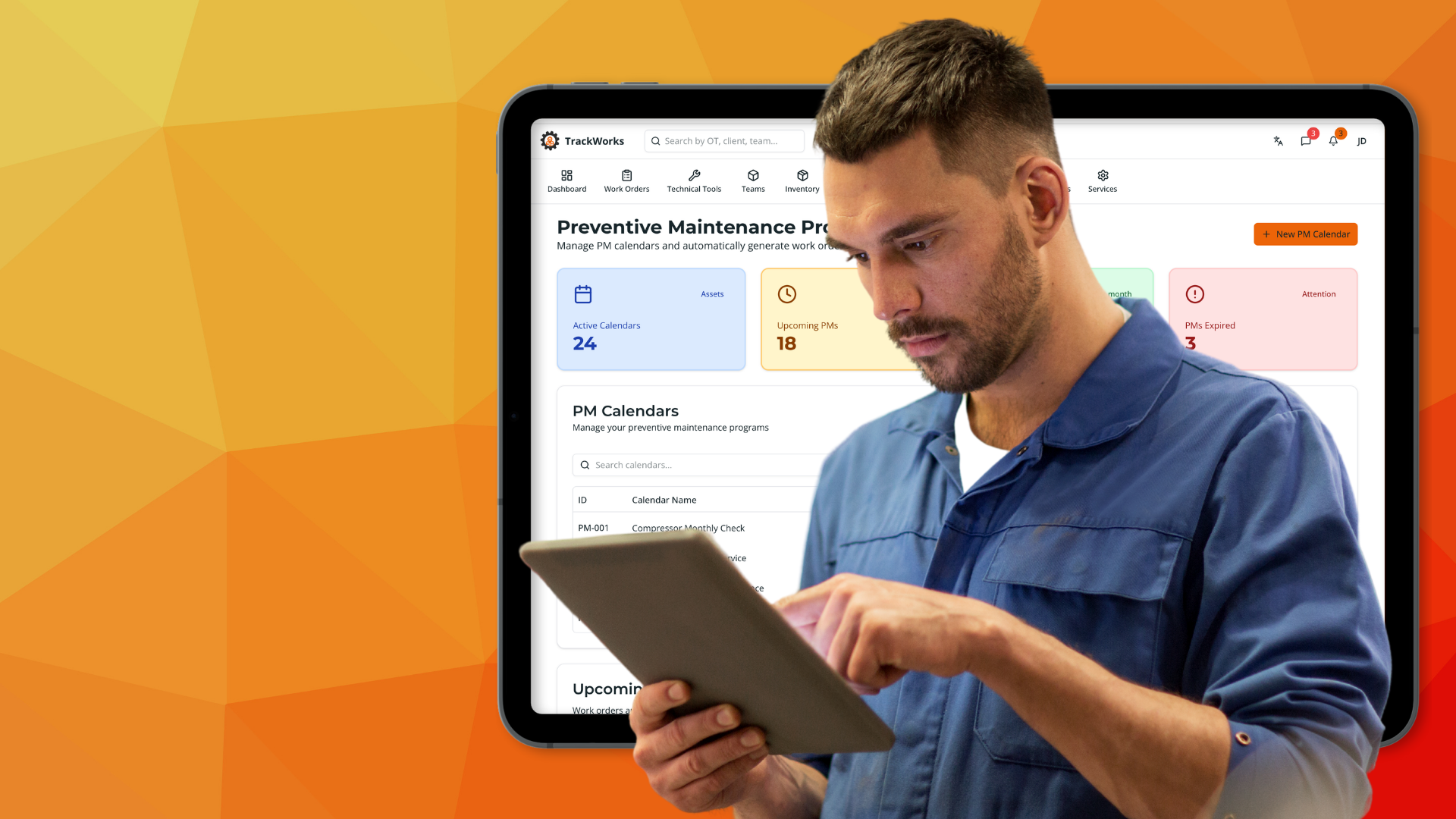
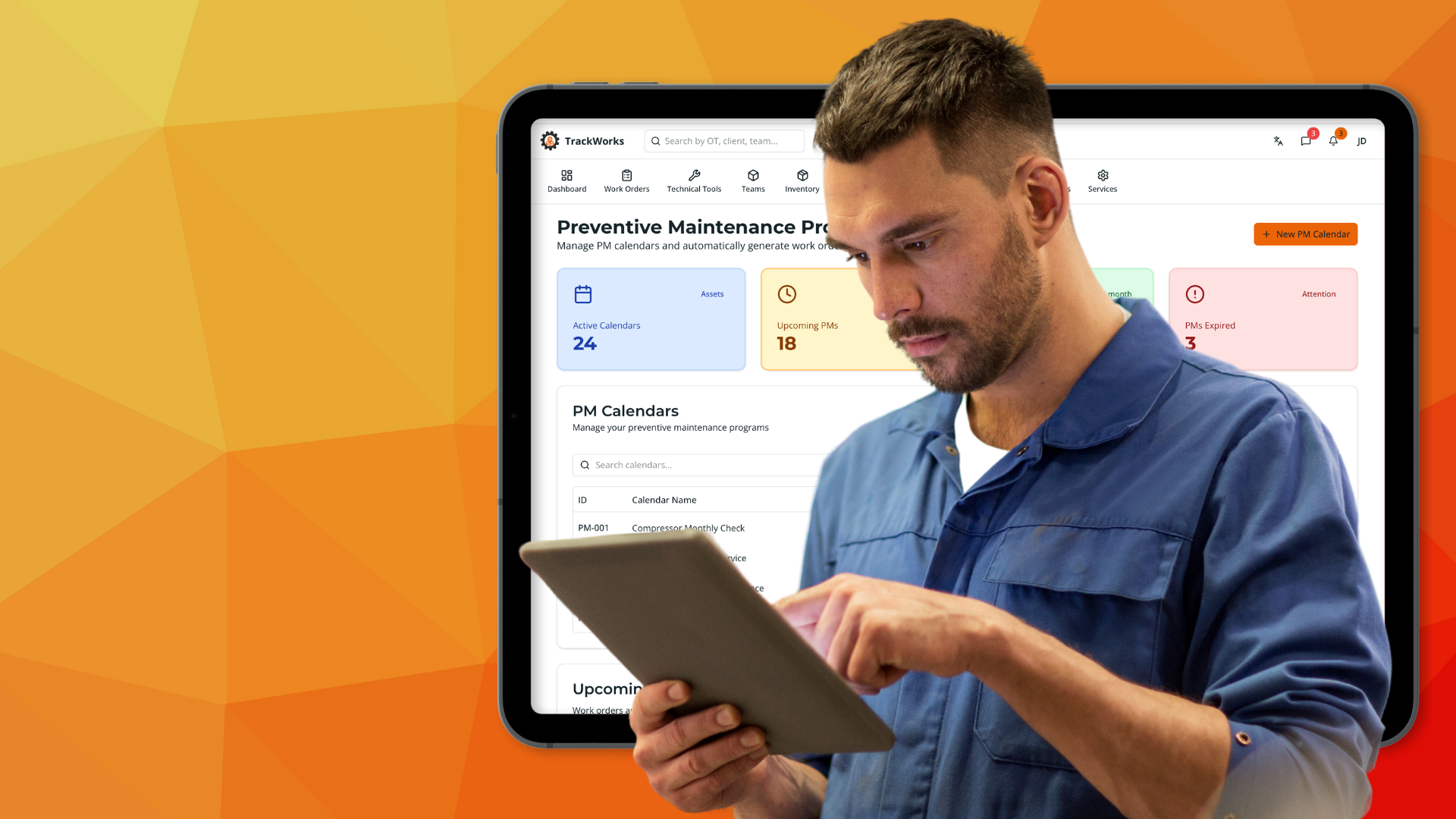
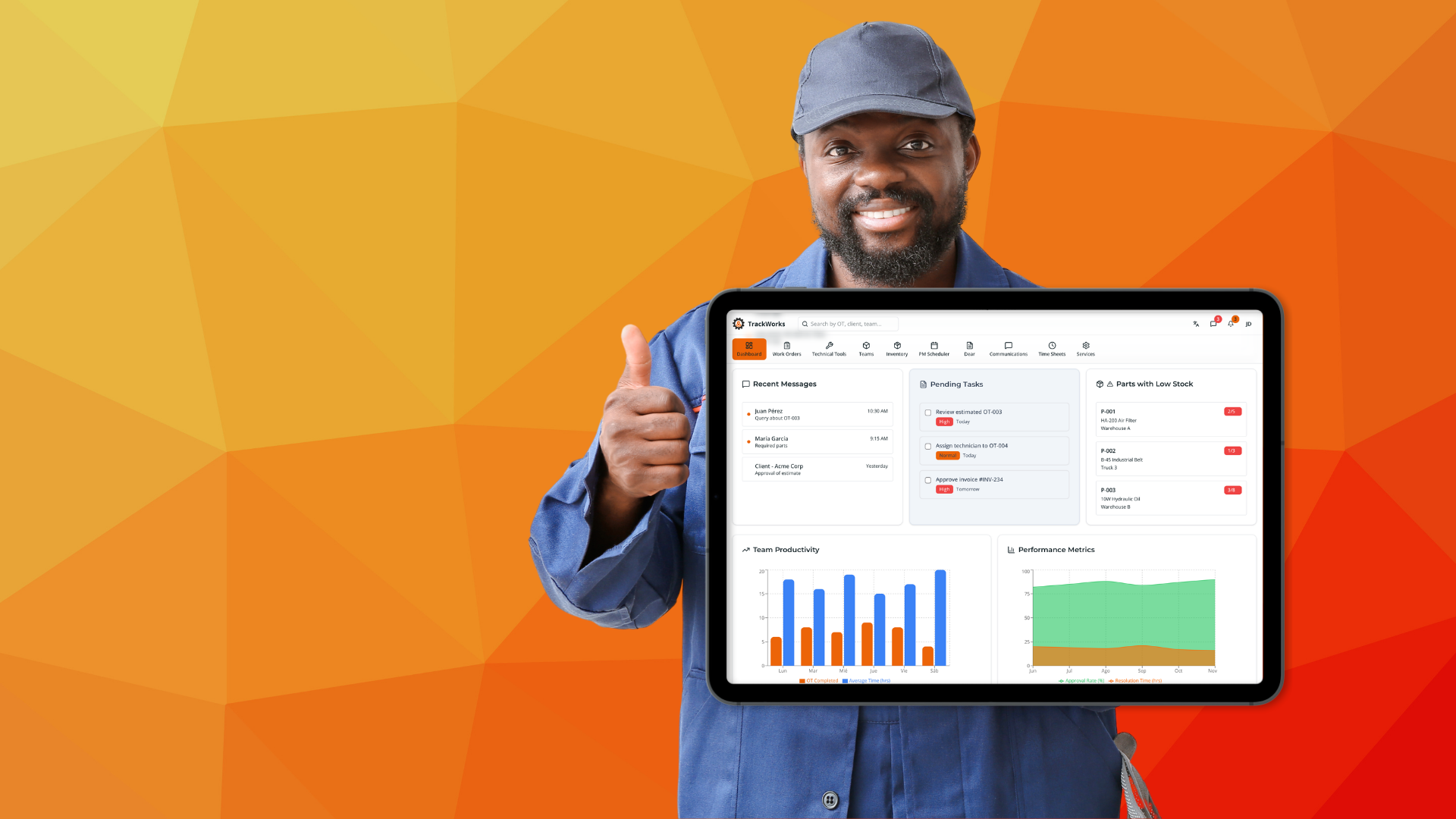
Imagine having a dashboard that shows you everything from job completion rates to technician performance. This is what real-time analytics offers. It empowers you to make informed decisions that improve your service delivery and boost profitability.
Inventory Integration and Management
Managing inventory is crucial for operational success. Integrate your inventory management with your field service software to keep track of parts and supplies. This ensures you always have what you need when you need it.
A well-integrated system helps avoid stockouts and overstock situations. With everything in sync, you can reduce waste and improve resource allocation. It’s all about having the right items in the right place at the right time.
Enhancing Field Service Profitability
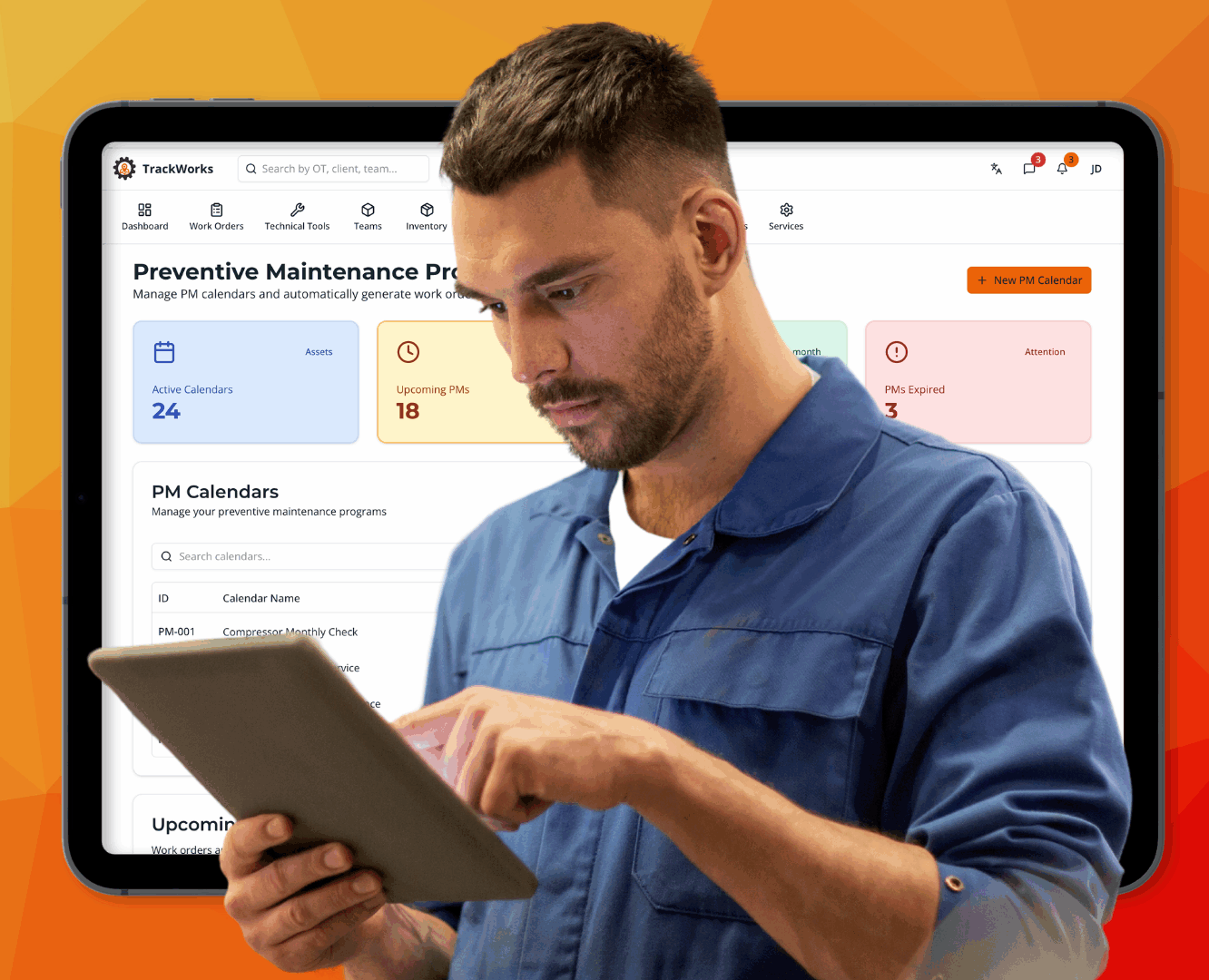
Profitability is the ultimate goal. It’s about maximizing revenue while minimizing costs. Here’s how you can enhance your field service profitability.
Route Optimization for Reduced Costs
Route optimization is about finding the most efficient paths for your technicians. This reduces travel time and fuel consumption, saving money and increasing the number of jobs completed each day.
Using TrackWorks’ route optimization, businesses have seen a 10% reduction in fuel costs. This means more savings and more jobs done. Efficient routes lead to faster service delivery and happier customers.
Faster Invoicing and Job Costing
Quick invoicing means faster payments. Implement a system that allows for immediate job costing and invoicing. This speeds up cash flow and reduces billing errors.
With TrackWorks, invoicing can be done on-site through a mobile app. This ensures accuracy and timeliness, turning completed jobs into revenue quickly. Faster invoicing means less time waiting for payments and more time focusing on customer service.
Improving Operations Visibility and Control
Visibility is about knowing what’s happening at all times. With better control, you can manage operations more effectively. Use tools that offer insights into every aspect of your field service operations.
TrackWorks provides a comprehensive view of your operations, allowing you to monitor performance and make adjustments as needed. This visibility ensures that you’re always in control, ready to tackle any issues head-on.
By preparing your field service operations for peak season with these strategies, you ensure a smoother, more profitable period. Each step you take towards optimization helps your team deliver better service, reduce costs, and increase profitability.