


Is Your Field Service Operation Actually Ready for Peak Season? Use This 10-Point, Data-Driven Checklist
Peak season can crush your field service operation if you’re not ready. Missed appointments, slow dispatch, and lost parts drain profits fast. This 10-point, data-driven checklist shows how to tighten scheduling, boost first-time fix rates, and streamline inventory with field service management software. Get your team aligned before demand hits hard. Check out our preparation guide to ensure you’re ready.
Preparing for Peak Season

Get ahead of the rush by preparing your field service operations for peak season. Anticipate increased demand and avoid chaos by ensuring all aspects of your business run smoothly.
Assessing Demand Spikes
Start by analyzing past data to predict when demand will rise. Look at last year’s busy periods, and identify patterns to help plan your resources. This insight allows you to allocate staffing and inventory effectively, ensuring you’re not caught off guard. By doing so, you reinforce your ability to meet customer needs without scrambling at the last minute.
Identifying Workflow Bottlenecks
Pinpoint where your processes slow down. Is it during dispatch, or perhaps in inventory management? Addressing bottlenecks early can save time and money. A common area of delay is the transfer of information between departments. Streamlining communication here could significantly speed up your operations.
Aligning Teams and Processes
Make sure everyone on your team is on the same page. Regular meetings and clear communication channels ensure smooth coordination. When processes are aligned, you reduce the risk of errors and improve overall efficiency. This alignment is crucial as demand increases, helping your team handle pressure without compromising on service quality.
Leveraging Field Service Management Software
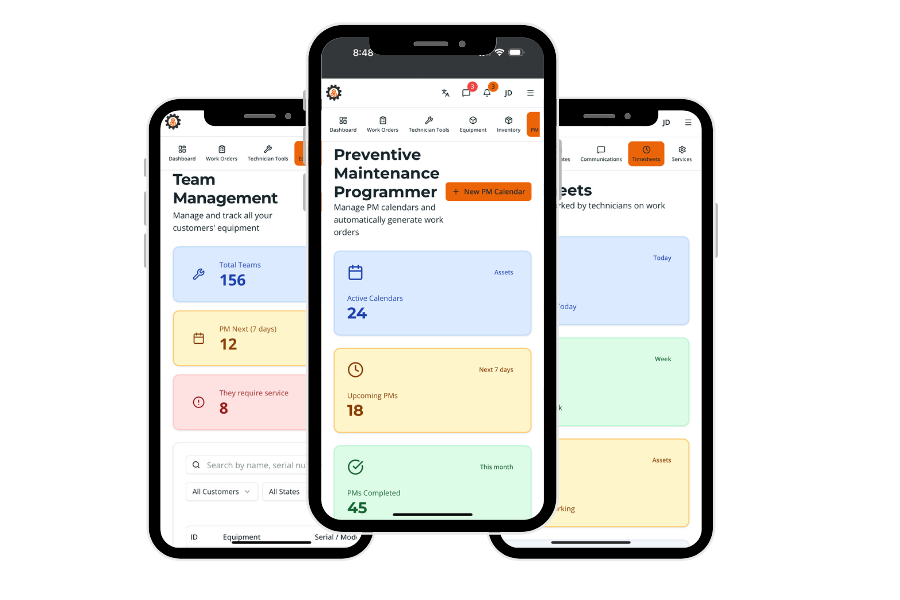
Incorporating field service management software can transform your operation’s readiness and efficiency. This tool centralizes your processes and enhances decision-making across the board.
Streamlined Technician Scheduling
Efficient scheduling means the right tech gets to the right job at the right time. With software, you can automate this process, reducing human error and ensuring optimal use of your workforce. Automated scheduling also means adjustments can be made quickly if a technician becomes unavailable, so you never miss a beat.
Effective Dispatch Management
Effective dispatch management ensures that your technicians are always heading to the most urgent jobs. By employing software, you can eliminate unnecessary travel and reduce the time technicians spend between jobs. This not only saves fuel but also boosts your team’s productivity.
Real-Time Analytics and Insights
Real-time data provides an immediate look into your operations, highlighting what’s working and what isn’t. This allows for quick adjustments, ensuring your service remains top-notch. Access to live data can also help in predicting future trends, giving your business a competitive edge.
Enhancing Operational Efficiency

Boosting your operational efficiency means more than just working faster. It involves optimizing every part of your process to ensure maximum output with minimal waste.
Optimizing Inventory and Parts Management
Effective inventory management prevents the common pitfall of delays due to missing parts. Use software to keep track of stock levels automatically, ensuring you always have what you need on hand. With this approach, you can reorder parts before they run out, keeping operations smooth.
Improving First-Time Fix Rate
A high first-time fix rate is a key performance indicator for service efficiency. Ensure technicians have the right tools and information before heading to a job. This preparation reduces the need for follow-up visits, saving time and improving customer satisfaction.
Boosting Technician Utilization and Productivity
Maximize your technicians’ potential by reducing downtime and increasing job completion rates. Equip them with mobile tools that provide job details, customer history, and inventory at their fingertips. This empowerment leads to more productive workdays and happier customers.
By following this checklist and leveraging the right tools, your field service operation can thrive, even during the busiest times. For more detailed insights, explore our strategic guide on warehouse optimization during peak season. This preparation ensures that your team is ready to handle increased demand with confidence and efficiency.
No responses yet